Top Ranching Essentials for Every Homesteader
- MK Dalton
- Apr 28
- 4 min read
Homesteading is more than just a lifestyle; it’s a commitment to self-sufficiency and sustainability. Whether you’re raising livestock, growing crops, or simply enjoying the great outdoors, having the right tools and equipment is essential for success. In this guide, we’ll explore the top ranching essentials every homesteader should consider to create a thriving homestead.

Understanding the Basics of Homesteading
Before diving into the essentials, it’s important to understand what homesteading entails. At its core, homesteading is about living off the land and being as self-sufficient as possible. This often includes:
Growing your own food: Vegetables, fruits, and herbs.
Raising livestock: Chickens, goats, cows, and more.
Sustainable practices: Composting, rainwater harvesting, and permaculture.
Homesteading can be incredibly rewarding, but it also requires careful planning and the right tools. Let’s break down the essentials.
Essential Tools for Homesteading
Hand Tools
While power tools can be convenient, hand tools are often more versatile and easier to maintain. Here are some must-have hand tools for any homesteader:
Shovel: Perfect for digging, planting, and moving soil.
Hoe: Essential for weeding and cultivating soil.
Rake: Useful for leveling soil and gathering debris.
Pruning Shears: Necessary for maintaining plants and trees.
Power Tools
For larger tasks, power tools can save time and effort. Consider investing in:
Rototiller: Great for preparing garden beds.
Chainsaw: Useful for cutting firewood and managing trees.
Pressure Washer: Helps keep your equipment and homestead clean.
Livestock Essentials
Raising livestock is a significant part of many homesteads. Here are some essentials to consider:
Fencing
Good fencing is crucial for keeping your animals safe and contained. Options include:
Barbed Wire: Effective for larger animals like cattle.
Electric Fencing: Great for keeping smaller animals in check.
Wooden Fencing: Aesthetic and durable, ideal for gardens and yards.
Shelter
Every animal needs a safe place to rest. Depending on your livestock, consider:
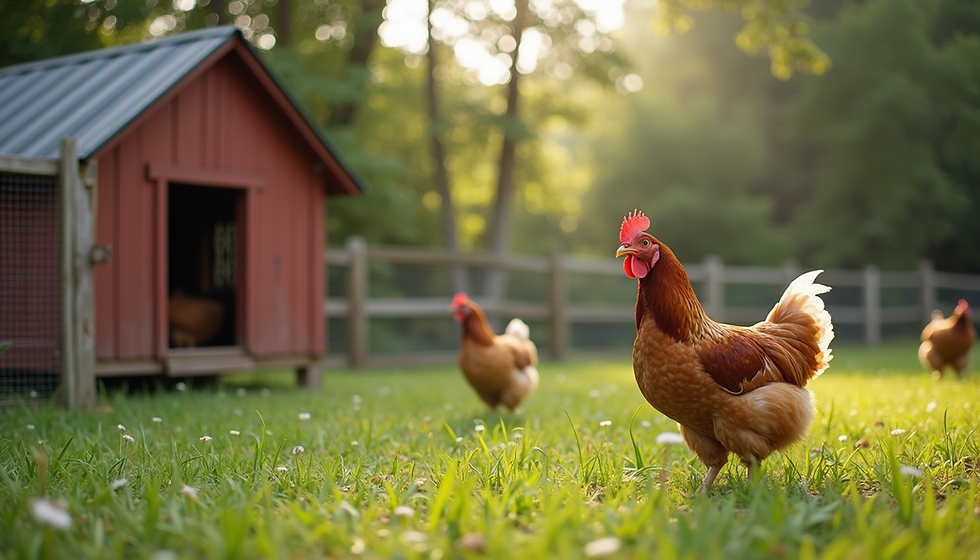
Chicken Coop: A secure and well-ventilated space for chickens.
Barn: Essential for larger animals like cows and horses.
Goat Shed: A cozy area for goats to escape the elements.
Feeding Equipment
Proper nutrition is vital for healthy livestock. Invest in:
Feeders: Ensure your animals have easy access to food.
Water Troughs: Provide a clean water source for hydration.
Hay Racks: Keep hay off the ground to prevent waste.
Gardening Supplies
Growing your own food is one of the most rewarding aspects of homesteading. Here are some essential gardening supplies:
Soil Amendments
Healthy soil is the foundation of a successful garden. Consider:
Compost: Enriches soil with nutrients.
Mulch: Helps retain moisture and suppress weeds.
Fertilizers: Provides essential nutrients for plant growth.
Seeds and Plants
Choose a variety of seeds and plants that suit your climate and preferences. Some popular options include:
Vegetables: Tomatoes, peppers, and carrots.
Herbs: Basil, rosemary, and mint.
Fruits: Strawberries, apples, and blueberries.
Garden Tools
Having the right tools makes gardening easier. Essential tools include:
Trowel: Perfect for planting and transplanting.
Garden Fork: Great for turning soil and aerating.
Watering Can: Essential for watering plants, especially seedlings.
Water Management
Water is a critical resource for any homestead. Here are some ways to manage it effectively:
Rainwater Harvesting
Collecting rainwater is an eco-friendly way to water your garden. Consider installing:
Rain Barrels: Simple and effective for collecting runoff from roofs.
Gutters: Direct rainwater into your barrels.
Irrigation Systems
For larger gardens, an irrigation system can save time and ensure even watering. Options include:
Drip Irrigation: Delivers water directly to the roots of plants.
Soaker Hoses: Allows water to seep slowly into the soil.
Sustainable Practices
Incorporating sustainable practices into your homestead can enhance productivity and reduce waste. Here are some ideas:
Composting
Composting is a great way to recycle kitchen scraps and yard waste. Start with:
Compost Bin: A designated space for your compost materials.
Browns and Greens: Balance carbon-rich materials (like leaves) with nitrogen-rich materials (like food scraps).
Crop Rotation
Rotating crops helps maintain soil health and reduces pests. Plan your garden layout to alternate crops each season.
Permaculture
Permaculture is a holistic approach to gardening that mimics natural ecosystems. Consider:
Guild Planting: Planting complementary species together.
Polyculture: Growing multiple crops in the same space to enhance biodiversity.
Safety and First Aid
Safety should always be a priority on the homestead. Here are some essentials:
First Aid Kit
A well-stocked first aid kit is crucial for handling minor injuries. Include:
Bandages: For cuts and scrapes.
Antiseptic: To clean wounds.
Pain Relievers: For headaches and minor aches.
Safety Gear
Protective gear can prevent injuries while working. Consider:
Gloves: Protect your hands while gardening or handling animals.
Boots: Keep your feet safe and dry.
Goggles: Protect your eyes when using power tools.
Conclusion
Homesteading is a fulfilling journey that requires the right tools, knowledge, and practices. By investing in these ranching essentials, you can create a productive and sustainable homestead. Remember, every homesteader’s journey is unique, so tailor your approach to fit your needs and goals. Start small, learn as you go, and enjoy the rewards of living off the land.
As you embark on your homesteading adventure, consider what essentials will best support your lifestyle. Whether it’s raising livestock, growing your own food, or implementing sustainable practices, the right tools will make all the difference. Happy homesteading!


Comments