Building Durable Structures for Livestock Care
- MK Dalton
- Apr 28
- 3 min read
Creating a safe and comfortable environment for livestock is crucial for their health and productivity. Durable structures not only protect animals from harsh weather conditions but also enhance their overall well-being. In this blog post, we will explore the essential aspects of building robust facilities for livestock care, focusing on materials, design, and maintenance.
Understanding the Needs of Livestock
Before diving into construction, it is vital to understand the specific needs of the animals you are housing. Different species have unique requirements regarding space, ventilation, and shelter. For instance:
Cattle require ample space to move and lie down comfortably.
Pigs need a clean, dry area to prevent disease.
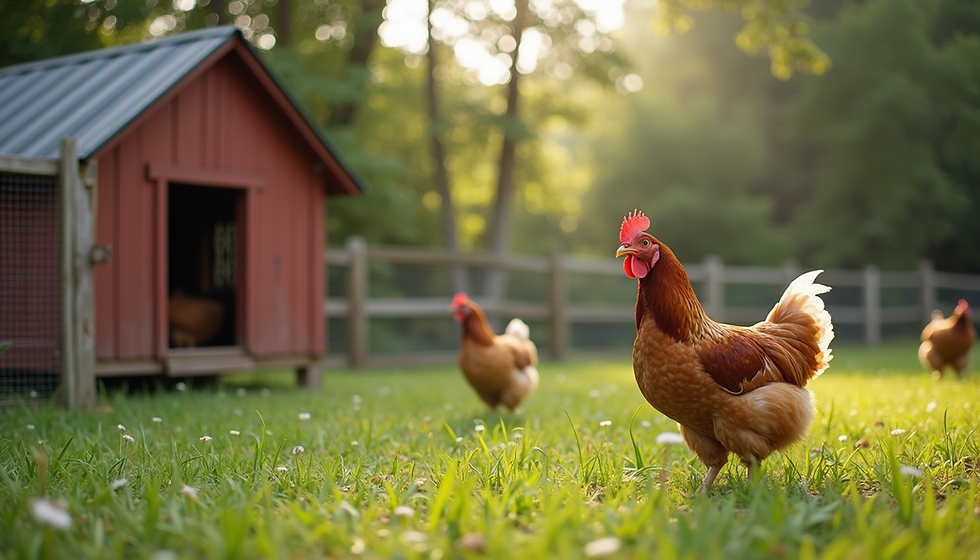
Chickens benefit from well-ventilated coops that protect them from predators.
By understanding these needs, you can design structures that cater to the specific requirements of your livestock.
Choosing the Right Materials
The materials you choose for building livestock structures play a significant role in their durability and effectiveness. Here are some common materials and their benefits:
Wood
Wood is a traditional choice for livestock buildings due to its natural insulation properties. It is also relatively easy to work with. However, it requires regular maintenance to prevent rot and pest infestations.
Steel
Steel structures are increasingly popular for their strength and longevity. They can withstand harsh weather conditions and require minimal maintenance. However, they can be more expensive upfront compared to wood.
Concrete
Concrete is another durable option, especially for flooring and walls. It is resistant to pests and can be easily cleaned. However, it may not provide the same level of insulation as wood or steel.
Composite Materials
Composite materials combine the benefits of wood and plastic, offering durability and resistance to decay. They are often used for fencing and decking in livestock facilities.
Designing for Comfort and Safety
When designing livestock structures, comfort and safety should be top priorities. Here are some design considerations:
Space Requirements
Ensure that each animal has enough space to move freely. Overcrowding can lead to stress and health issues. For example, a standard recommendation for cattle is a minimum of 100 square feet per animal.
Ventilation
Proper ventilation is essential to maintain air quality and reduce humidity. Poor ventilation can lead to respiratory issues in livestock. Incorporate windows, vents, and fans to promote airflow.
Flooring
Choose flooring that is easy to clean and provides good traction. Slippery surfaces can lead to injuries. Rubber mats or textured concrete can help prevent slips.
Lighting
Natural lighting is beneficial for livestock, as it helps regulate their circadian rhythms. Incorporate windows or skylights to allow sunlight into the structure.
Image Placeholder
Maintenance and Upkeep
Building a durable structure is just the beginning. Regular maintenance is crucial to ensure the longevity of your livestock facilities. Here are some maintenance tips:
Regular Inspections
Conduct routine inspections to identify any signs of wear and tear. Look for cracks in walls, leaks in roofs, and signs of pest infestations.
Cleaning
Keep the facilities clean to prevent disease. Regularly remove waste and debris, and disinfect surfaces as needed.
Repairs
Address any repairs promptly to prevent small issues from becoming larger problems. This includes fixing leaks, replacing damaged panels, and ensuring that doors and gates function properly.
Sustainability Considerations
In today's world, sustainability is more important than ever. When building livestock structures, consider incorporating sustainable practices:
Renewable Materials
Use renewable materials whenever possible. For example, sourcing wood from sustainably managed forests can reduce your environmental impact.
Energy Efficiency
Incorporate energy-efficient designs, such as solar panels or wind turbines, to power your facilities. This can reduce operating costs and your carbon footprint.
Waste Management
Implement effective waste management systems to recycle manure and reduce pollution. Composting can turn waste into a valuable resource for fertilizing crops.
Case Studies: Successful Livestock Structures
Example 1: Dairy Barn
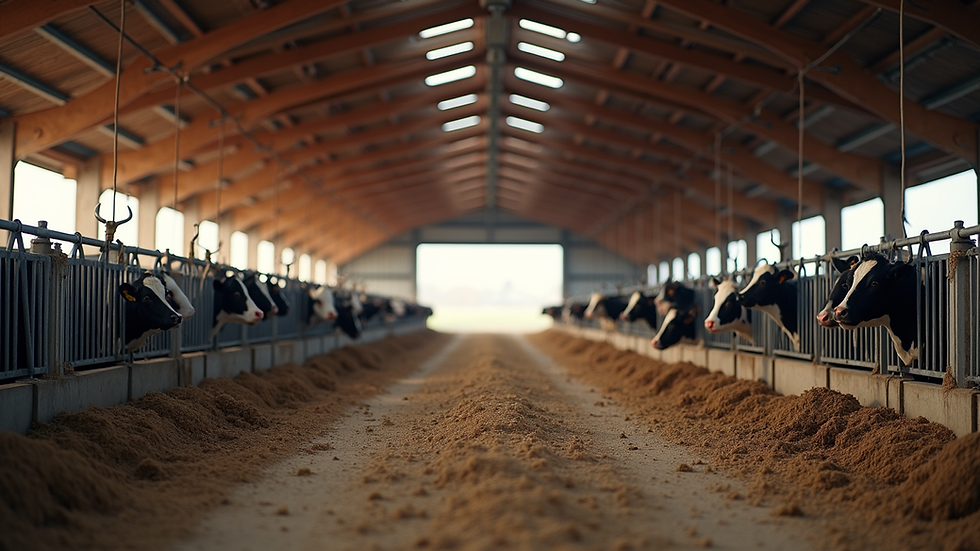
A dairy farm in Wisconsin recently built a new barn using steel framing and insulated panels. The design includes large windows for natural light and ventilation. As a result, the farm reported a 20% increase in milk production due to improved cow comfort.
Example 2: Poultry House
A poultry producer in California constructed a state-of-the-art chicken house with automated feeding and watering systems. The facility features a climate control system that maintains optimal temperatures year-round. This investment led to a 15% reduction in feed costs and improved egg production.
Conclusion
Building durable structures for livestock care is an investment in the health and productivity of your animals. By understanding their needs, choosing the right materials, and designing for comfort and safety, you can create an environment that supports their well-being. Regular maintenance and sustainable practices will further enhance the longevity and efficiency of your facilities.
As you embark on your building project, remember that the comfort of your livestock directly impacts their productivity. Take the time to plan and execute your designs thoughtfully, and you will reap the rewards in the long run.


Comments